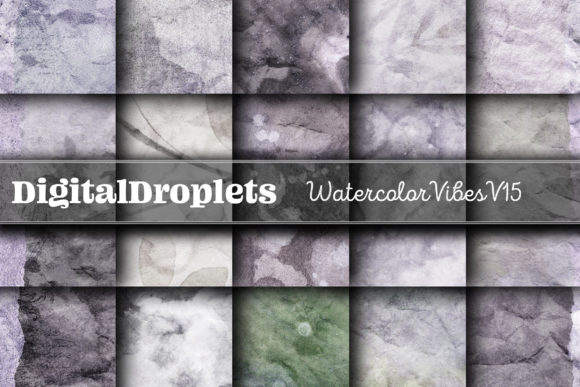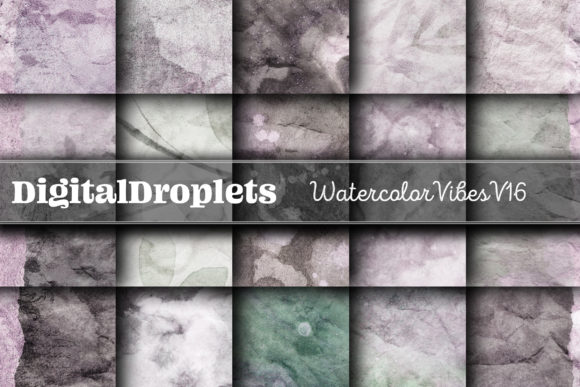
Watercolor Vibes Vol. 16 | Collection: Textured Backgrounds for Design
Injecting organic texture and artistic depth into digital projects can transform flat designs into captivating visual narratives. The Watercolor Vibes Vol. 16 | Collection offers a sophisticated solution for designers and creators seeking this authentic, handcrafted aesthetic. This curated set of 12×12 digital papers provides a versatile foundation for a multitude of creative applications, blending traditional watercolor artistry with modern design needs.
Understanding the Asset: More Than Just a Paper Set
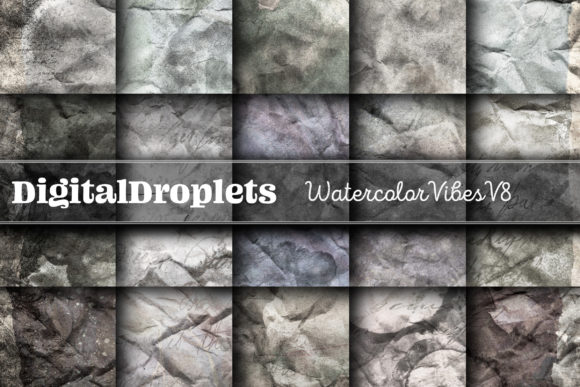
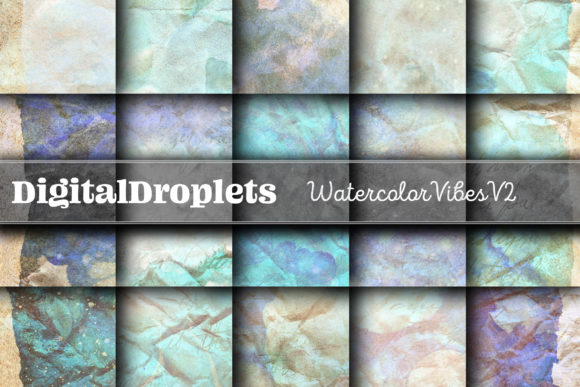
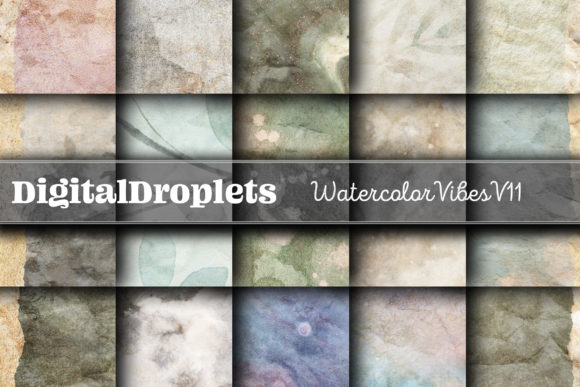
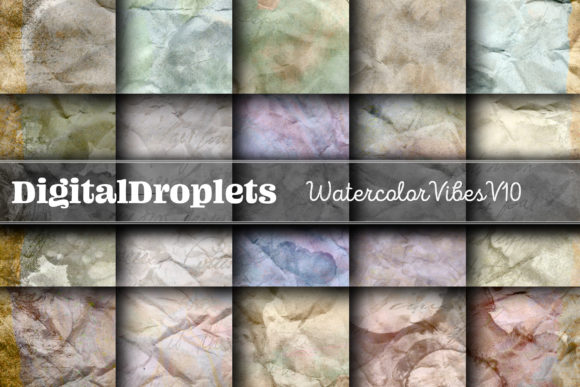
At its core, the Watercolor Vibes Vol. 16 | Collection is a set of 10 unique, high-resolution JPEG backgrounds. Each paper is a carefully composed layer of elements: subtle watercolor washes, ink blobs, delicate writing, and landscape motifs, all unified by a realistic crumpled paper texture and distinct borders. This combination creates immediate visual interest and a sense of tangible, artisanal quality that digital-only designs often lack. The assets are designed to work seamlessly within professional graphic design workflows, offering instant texture and personality.
Key Technical Specifications
- Format: 10 high-resolution JPEG files.
- Dimensions: 12 inches by 12 inches, ideal for square-format projects.
- Resolution: 300 DPI, ensuring crisp detail for both digital and print applications.
- Aesthetic: Each paper features a unique border and blended crumpled texture.
Practical Applications in Professional Design
The true value of a creative asset like this lies in its adaptability. These textured backgrounds can elevate projects across various domains, enhancing visual communication and brand storytelling.
For Branding and Marketing: Use these papers as backgrounds for business cards, letterheads, or brochure layouts to impart a vintage, bespoke, or artisanal brand identity. They are particularly effective for businesses in the lifestyle, craft, wedding, or boutique food industries. The textures can also serve as overlays for product photography, adding depth to marketing materials and social media graphics.
In Digital and Web Design: As website backgrounds or section dividers, these textures can break up monotony and guide the user's eye. They are excellent for creating cohesive UI elements like buttons, headers, or content cards within a design system. For bloggers and content creators, they provide ready-made, visually rich backgrounds for quote graphics, promotional banners, and newsletter headers.
For Print and Editorial Projects: The 300 DPI resolution makes them perfect for print design. Use them to create elegant invitations, menu designs, or packaging for small-batch products. In editorial layouts, such as magazine features or book covers, they can establish a specific mood or era. They are also ideal for scrapbooking, junk journaling, and creating physical planner stickers or washi tape designs.
Tips for Effective Integration
To maximize the impact of these design elements, consider these practical guidelines:
- Establish Visual Hierarchy: Use the textured backgrounds to support your primary content, not overpower it. Ensure text and key graphics maintain strong readability through sufficient contrast or the strategic use of semi-transparent overlays.
- Maintain Consistency: While each paper is unique, they share a cohesive palette and style. Use multiple papers from the same collection to ensure visual harmony across a multi-page document or a series of social media posts.
- Blend and Customize: Don't be afraid to layer these assets with other design elements. Adjust their opacity, blend modes, or color balance in your editing software to perfectly match your project's color palette and aesthetic goals.
- Think Beyond the Obvious: Apply these textures to masks, frames, or typography treatments. They can be used to create custom shapes, tags, or envelope liners, offering endless possibilities for creative exploration.
Ultimately, incorporating thoughtfully designed assets like the Watercolor Vibes Vol. 16 | Collection into your work is an investment in quality and efficiency. It allows you to quickly introduce complex, organic textures that would be time-consuming to create from scratch, thereby streamlining your design workflow while significantly elevating the final aesthetic. In a landscape saturated with sterile digital imagery, such authentic textures help your designs stand out, communicate more effectively, and resonate on a more human level with your audience.