Autumn Habit Tracker: A Design-Forward Approach to Seasonal Productivity
As the leaves turn and the air grows crisp, the shift in season offers a natural cue for designers and creators to refresh their visual systems and personal workflows. A thoughtfully crafted Autumn Habit Tracker | Printable serves as more than a simple planning tool; it’s a microcosm of effective design principles in action, blending functionality with seasonal aesthetics to enhance both personal discipline and creative projects.
Visual Design Meets Practical Application
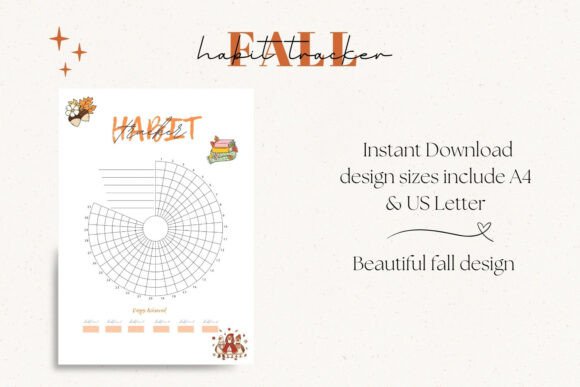
From a graphic design perspective, a habit tracker is a masterclass in visual hierarchy, typography, and layout composition. The undated, fall-themed design of a quality printable tracker demonstrates how a focused color palette—think warm oranges, deep burgundies, and earthy neutrals—can evoke a specific mood while maintaining readability. This approach mirrors best practices in brand identity, where consistent visual language builds recognition and emotional connection. The inclusion of both A4 and US Letter sizes underscores the importance of print design adaptability and scalability for a global audience.
Key Design Elements at Work
- Typography: Clear, legible fonts ensure quick data entry, reflecting UX design priorities where user efficiency is paramount.
- Visual Hierarchy: Strategic use of space, icons, and subtle seasonal motifs guides the eye without clutter, a principle vital in editorial design and web design.
- Color Psychology: The autumnal palette isn’t just decorative; it psychologically prepares the user for a period of introspection and focused goal-setting, much like a packaging design influences perception.
Practical Applications for Creative Professionals
Integrating a resource like this into your routine or client work can yield tangible benefits across multiple domains. It’s a versatile creative asset.
- Brand & Marketing Collateral: Use the tracker’s aesthetic as inspiration for social media graphics, advertising campaigns, or presentation templates that require a cozy, productive autumn theme. Its consistent style can help reinforce a brand identity during seasonal promotions.
- Digital Product Enhancement: For designers selling digital planners or UI kits, studying the functional layout and user flow of a habit tracker provides insights into creating intuitive interfaces and improving digital marketing materials for similar products.
- Personal Workflow & Creativity: Applying the tracker to your own habits—whether for client projects, learning new design trends, or managing freelance work—instills the discipline that fuels consistent, high-quality output. It’s a practical tool for design workflow management.
Evaluating and Implementing Design Resources
When selecting any design asset, consider its alignment with your project’s goals. Does the typography support your message? Is the color system compatible with your existing brand palette? A resource like the Fall Habit Tracker excels because its design is intentionally undated and minimalist in structure, allowing it to be repurposed. You could adapt its grid for storyboarding, content calendars, or client project timelines, demonstrating how a single visual design element can serve multiple functions across creative projects.
Ultimately, the value of a well-designed printable lies in its ability to marry form and function seamlessly. It demonstrates how careful attention to composition, readability, and thematic cohesion can transform a mundane task into an engaging ritual. For designers, marketers, and creators, leveraging such thoughtfully made resources not only enhances personal productivity but also provides a wellspring of inspiration for improving user experience, strengthening visual communication, and elevating the professional presentation of any project.